
Table of Contents
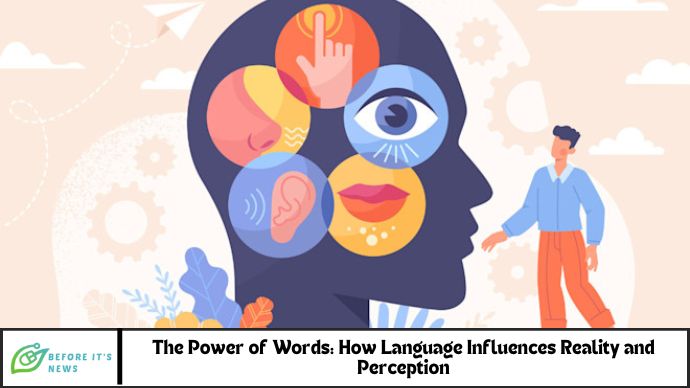
POUGHKEEPSIE, N.Y. — Words aren’t just tools for communication—they’re architects of how we think, feel, and act, according to new research. The study reveals that even subtle changes in how we frame our messages can dramatically influence people’s perceptions and responses.
Consider cancer treatment discussions: when doctors and patients talk about “battling” cancer versus embarking on a “cancer journey,” it doesn’t just change the conversation—it transforms how people view their prognosis. Research shows that people who encounter battle-themed language tend to view cancer as more deadly than those who hear it described as a journey.
“The focus on linguistic control in popular media may reflect a deeper concern—and fascination—with the force of language in our daily lives,” explains lead researcher Stephen Flusberg of Vassar College and his colleagues in a media release. “We routinely use words to try to influence what other people are thinking, feeling, and doing.”
1. The Concept of Linguistic Relativity: How Language Shapes Thought
The idea that language influences thought isn’t a new one. The theory of linguistic relativity, also known as the Sapir-Whorf hypothesis, suggests that the language we speak shapes the way we think and perceive the world. According to this theory, the structure and vocabulary of a language influence cognitive patterns, even affecting our perceptions of time, space, and color.
- For example: Some languages, like the Hopi language, do not have tenses to indicate time, which can influence how speakers of the language perceive the passage of time. In contrast, languages with numerous words for different shades of a color, like Russian, can affect how speakers differentiate between those shades.
Key Insight: The Sapir-Whorf hypothesis suggests that our language doesn’t just describe reality—it helps construct it. The way we understand concepts like time, emotions, and relationships is deeply influenced by the words available in our language.
2. Words and Perception: How Language Alters Our View of Reality
The power of words can be seen in how language can shape our perception of the world around us. For instance, consider the way we describe events or experiences. The language we use can alter the meaning we assign to those events.
- Positive vs. Negative Framing: Describing a challenge as an “opportunity for growth” versus a “setback” can drastically change our emotional response to the situation. Words can create a frame through which we interpret the world, either limiting or expanding our perspective.
- The Impact on Emotions: Research shows that people who use more positive language in their self-talk are generally happier and more optimistic. In contrast, negative self-talk can lead to anxiety, depression, and decreased well-being.
Example: A 2015 study published in the journal Psychological Science found that participants who used positive language to describe their challenges were more likely to persevere and find solutions, highlighting how language directly influences behavior and outcomes.
3. The Psychological Effects of Language: Building or Breaking Down Confidence
Language doesn’t just shape how we view the world—it also impacts our confidence, motivation, and overall mental health. The words we use with ourselves, in particular, have a profound effect on our self-esteem.
- Affirmations and Self-Talk: Using positive affirmations can have a measurable impact on one’s psychological well-being. People who practice positive self-talk are more likely to overcome obstacles, maintain higher levels of confidence, and achieve their goals.
- Language in Relationships: How we communicate with others can strengthen or weaken our relationships. Encouraging, empathetic language fosters trust and connection, while negative, critical language can breed resentment and misunderstanding.
Practical Tip: Replacing negative self-talk with empowering, positive statements can lead to higher self-esteem and improved outcomes in both personal and professional life.
4. Words and Social Reality: The Influence of Language on Society
Language is not only a tool for personal communication—it also serves as a foundation for the social structures and norms within society. The way we use language can either reinforce or challenge power dynamics, social expectations, and cultural norms.
- Stereotypes and Bias: Words have the power to reinforce societal stereotypes and biases. Phrases like “angry Black woman” or “hysterical woman” can perpetuate harmful stereotypes, limiting individuals’ roles in society. By changing the language we use, we can challenge these harmful societal narratives and promote inclusivity.
- Social Movements: Language is a powerful tool for social change. Activists and social movements often create new vocabulary to highlight injustice or inequality. For example, terms like “Black Lives Matter” and “Me Too” have sparked global conversations about race, gender, and power dynamics.
Impact: Language can either uphold the status quo or inspire change. By being mindful of the words we use, we can contribute to more equitable and inclusive societies.
5. How to Harness the Power of Words: Mindful Communication
Given the immense power language holds, it’s crucial to be mindful of the words we choose, both in our self-talk and in our communication with others. Here are some strategies to harness the power of words for positive change:
- Practice Self-Awareness: Monitor your internal dialogue. Are you using language that supports your goals and well-being, or are you reinforcing negative patterns?
- Use Positive Reinforcement: In your conversations, focus on encouraging and uplifting words that empower both you and others.
- Challenge Harmful Language: Consciously avoid reinforcing stereotypes or perpetuating biases through the language you use. Instead, use inclusive, respectful terms that promote equality and understanding.
Pro Tip: Start by incorporating daily affirmations into your routine. Simple phrases like “I am capable” or “I am worthy” can have a powerful impact on your mindset and daily life.
May you also like it:
Star Tech Enterprises: Emerging Technologies in Russia’s War on Ukraine
2 Key Reasons New Car Prices Will Crash in 2025
Natural Remedies to Restore pH Balance in Your Vagina: Effective…
Frequently Asked Questions (FAQs)
How does language influence our perception of reality?
Language shapes how we interpret experiences and events by providing a framework through which we view the world. The words we use can limit or expand our perspectives.
What is linguistic relativity?
Linguistic relativity is the idea that the structure and vocabulary of a language shape the way its speakers think and perceive the world.
Can language influence behavior?
Yes, words can influence our behavior by shaping our beliefs, emotions, and attitudes. For example, positive self-talk can lead to improved mental health and greater perseverance.
How can language change social norms?
Language has the power to challenge or reinforce societal norms. Movements like “Me Too” and “Black Lives Matter” show how language can be used to shift cultural conversations and promote social change.
What is the impact of negative language on mental health?
Negative language, whether directed at oneself or others, can harm self-esteem and contribute to anxiety, depression, and stress. Reframing negative thoughts with positive language can improve mental health.
How can I use language to improve my relationships?
Using positive, supportive, and empathetic language fosters trust and connection in relationships. Avoiding critical or dismissive language strengthens communication and understanding.
Conclusion:
The power of words is undeniable. Language shapes not only how we perceive the world around us but also how we interact with others and ourselves. By recognizing the profound impact words have on our thoughts, emotions, and behaviors, we can begin to harness their power for positive change. Whether in personal growth, relationships, or societal transformation, mindful language can open new doors to a more empowered, inclusive, and connected world.

