
Table of Contents
Star Tech Enterprises: Emerging Technologies in Russia’s War on Ukraine The Russia-Ukraine conflict is unlike any in recent memory. Beyond the tanks and artillery, a new breed of warfare has emerged, shaped by cutting-edge technologies. From cyber-attacks to autonomous drones, emerging technologies are transforming the way battles are fought and won. But how are these innovations changing the war in Ukraine? And what role do star tech enterprises play in this high-stakes environment?
In this article, we will dive into the latest technological advancements being used in Russia’s war on Ukraine, the companies behind these innovations, and how these technologies are impacting both the battlefield and the global geopolitical landscape.
The Role of Emerging Technologies in Modern Warfare
Emerging technologies are altering the dynamics of warfare. The Russia-Ukraine conflict has highlighted the significance of tools that go beyond traditional combat methods. These innovations focus on precision strikes, electronic warfare, and data manipulation, all of which provide a significant edge to those who can harness them effectively.
Key Technologies Shaping the Conflict:
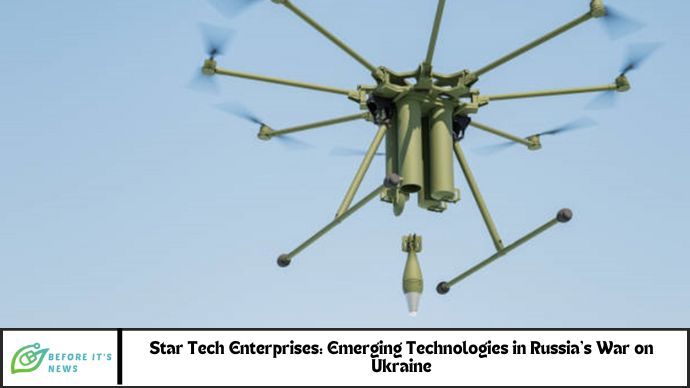
- Drones and Unmanned Aerial Vehicles (UAVs): These have become a cornerstone of modern warfare. Drones are used for surveillance, reconnaissance, and precision strikes on enemy targets, offering a tactical advantage without risking human lives.
- Cyber Warfare: Russia has employed cyber-attacks to target Ukraine’s critical infrastructure, including government systems, energy grids, and communication networks, crippling their ability to function.
- Artificial Intelligence (AI): AI is increasingly used in decision-making processes, from analyzing battlefield data to guiding autonomous weapons systems.
- Satellite Technology: High-resolution satellite imagery is being used for real-time intelligence, offering a bird’s-eye view of troop movements and enemy positions.
These technologies are not just theoretical; they are actively deployed and are central to the strategic decisions made in this war.
Star Tech Enterprises Driving Innovation in Warfare
Behind the surge of technological innovation are companies with global influence. Some of the most prominent star tech enterprises have created tools and systems that are reshaping the landscape of warfare. These enterprises include military contractors, technology firms, and startups that specialize in AI, drones, and cyber defense.
Top Star Tech Enterprises Involved in the Conflict:
- Palantir Technologies: This data analytics firm has provided critical support in processing intelligence, allowing for real-time battlefield decision-making. Palantir’s tools are being used to predict enemy movements and inform Ukraine’s military strategy.
- Anduril Industries: A leader in AI-powered defense systems, Anduril is helping create autonomous drones that can carry out surveillance and strike operations independently.
- Cloudflare: This cybersecurity giant has helped Ukraine fend off massive DDoS (Distributed Denial of Service) attacks launched by Russian hackers. Cloudflare’s technology has been essential in protecting Ukrainian websites from being overwhelmed and knocked offline.
- Maxar Technologies: Maxar provides satellite imagery that offers detailed reconnaissance, giving both military strategists and journalists real-time insights into troop movements and war developments.
These companies, many of which have historically been involved in civilian technology development, are now deeply embedded in the defense sector, demonstrating how civilian innovations can be adapted for warfare.
Impact of Emerging Technologies on the Battlefield
The deployment of these technologies has had a profound impact on both sides of the conflict. For Russia, these tools allow for asymmetric warfare, where they can engage in covert operations or remote strikes, reducing their own casualties. Meanwhile, Ukraine has leveraged these technologies to level the playing field, allowing them to challenge a much larger and more technologically advanced adversary.
Technological Advantages for Ukraine:
- Intelligence Superiority: The combination of real-time data and satellite reconnaissance has given Ukraine an intelligence advantage in identifying and targeting Russian supply lines and military positions.
- Cyber Defense and Counterattacks: Ukrainian forces have been able to counter Russian cyber-attacks using advanced cybersecurity measures and even launch counter-offensive cyber operations.
- Drone Warfare: Ukraine’s use of Turkish-made Bayraktar drones has been particularly effective in attacking Russian tanks, artillery, and missile systems, disrupting their supply chains and inflicting significant damage.
For Russia, their focus on cyber warfare and satellite monitoring has enabled them to disrupt Ukrainian communications, but Ukraine’s resilience and adaptability have allowed them to fight back with precision technology.
Challenges and Controversies of Tech in Warfare
While emerging technologies offer new advantages, they also bring ethical and strategic concerns. The use of drones, AI in decision-making, and cyber warfare raises important questions about accountability, civilian casualties, and the potential for escalation.
- Autonomous Weapons: The use of drones and autonomous weapons introduces the possibility of unintended consequences and targeting errors, with civilian casualties potentially increasing if systems malfunction or are used improperly.
- Cyber Warfare: Attacks on critical infrastructure can lead to long-term economic disruptions, making it difficult for countries to recover even after the conflict ends.
These issues highlight the complexities of integrating advanced technologies into war and the need for international regulations to manage their use.
FAQs
1. What role do drones play in Russia’s war on Ukraine?
Drones are used for surveillance, reconnaissance, and precision strikes, providing both Russia and Ukraine with significant tactical advantages in combat.
2. How has cyber warfare impacted the Russia-Ukraine conflict?
Cyber-attacks have targeted Ukraine’s critical infrastructure, including energy grids and government systems, crippling their ability to function and coordinate responses.
3. Which tech companies are involved in the conflict?
Companies like Palantir Technologies, Anduril Industries, Cloudflare, and Maxar Technologies provide data analytics, defense systems, cybersecurity solutions, and satellite imagery.
4. How is AI being used in the conflict?
AI is used in battlefield analysis, decision-making, and to guide autonomous weapons like drones, helping both Russia and Ukraine make faster, more accurate decisions.
5. What challenges arise from the use of emerging technologies in war?
The challenges include the potential for unintended civilian casualties, the ethics of autonomous weapons, and the risk of cyber-attacks on critical infrastructure.
6. Can emerging technologies help Ukraine win the war?
While emerging technologies provide a significant advantage, Ukraine’s success will depend on how effectively it can continue to leverage these innovations while managing the geopolitical and strategic challenges they present.
Conclusion
Emerging technologies are playing a pivotal role in Russia’s war on Ukraine, with star tech enterprises providing advanced tools that reshape the conflict’s landscape. Drones, AI, cyber defense, and satellite imagery have all proven invaluable in this modern form of warfare. However, the integration of these technologies also introduces new challenges and ethical dilemmas that will require careful consideration. As the conflict continues, the interplay between technology and military strategy will shape the future of warfare—and global security.

