
Table of Contents
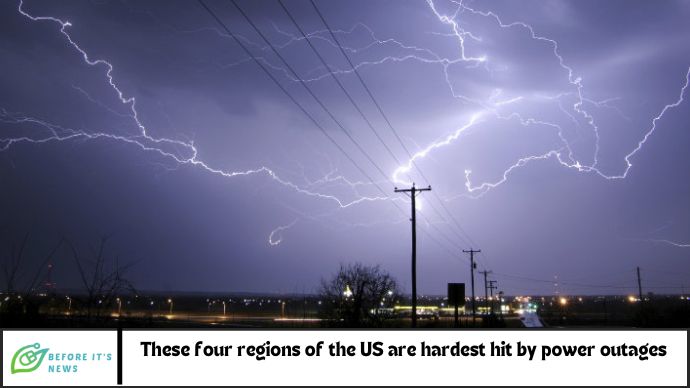
These four regions of the US are hardest hit by power outages Joan Casey experienced frequent power outages during wildfire season when she lived in northern California. While waiting for the power to return, she wondered how the multi-day blackouts affected a community’s health.
“For me, it was an inconvenience, but for some people, it could be life-threatening,” said Casey, now an assistant professor in the UW Department of Environmental & Occupational Health Sciences (DEOHS). “If you had an uncle with an electric heart pump, his heart wouldn’t work without power. You could use a backup battery for eight hours, but after that, if you don’t have access to electricity, you have to go to the emergency room. This is a really dangerous situation.”
Years later, Casey has answers. A study published on April 29 in Nature Communications analyzed three years of power outages across the U.S., finding that Americans already bearing the brunt of climate change and health inequities are clustered in four regions—Louisiana, Arkansas, central Alabama, and northern Michigan—and that they are most at risk of being impacted by a lengthy blackout.
The findings could help shape the future of local energy infrastructure, especially as climate change intensifies and the American power grid continues to age. Last year’s Inflation Reduction Act included billions of dollars to revamp energy systems, and Casey hopes federal agencies will consult the newly published findings to target energy upgrades.
The study is the first county-level analysis of power outages, which the federal government reports only at the state level. This poses a problem for researchers: a federally reported outage in Washington state could occur in Seattle, Spokane, or somewhere in between, making it difficult to understand specifically which population is affected.
1. Northeast: The Impact of Winter Storms and Aging Infrastructure
The Northeast, including states like New York, Pennsylvania, and New Jersey, is notorious for frequent power outages, especially during the winter months. These outages are largely caused by heavy snowstorms and ice storms, which can bring down power lines and cause widespread disruption. However, another significant factor contributing to power loss in this region is its aging power grid infrastructure.
- Weather-Related Issues: Winter storms can create hazardous conditions for power lines and transformers. The weight of snow and ice on trees and power lines often causes them to snap, leading to extended outages.
- Aging Infrastructure: Many cities in the Northeast rely on outdated power grids that aren’t equipped to handle the increasing demands of modern-day energy use. This lack of modernization makes the grid more vulnerable to failure during extreme weather events.
Recent Data: According to the U.S. Energy Information Administration (EIA), the Northeast region experienced over 400,000 power outages due to winter storms in 2023 alone.
Solutions:
- Upgrading the grid to improve resilience against extreme weather.
- Implementing smart grid technology to better manage power distribution.
2. Southeast: Hurricanes and Storm Surge Threaten the Power Supply
The Southeast, which includes states like Florida, Georgia, Alabama, and the Carolinas, is heavily impacted by hurricanes and tropical storms. The frequent occurrence of severe weather in this region makes power outages a common challenge.
- Hurricanes: Powerful hurricanes such as Hurricane Katrina, Irma, and Maria have caused extensive damage to power lines, transformers, and infrastructure, leading to days or even weeks of outages.
- Storm Surge: Coastal flooding due to storm surges can damage substation equipment and electrical circuits, making power restoration efforts more difficult.
Recent Data: In 2022, the Southeast saw an estimated 1.5 million people affected by power outages during Hurricane Ida, with many areas experiencing long-term disruptions.
Solutions:
- Strengthening coastal infrastructure to withstand storm surges.
- Implementing underground power lines to reduce the risk of damage from high winds and flooding.
3. Midwest: Tornadoes and Severe Weather Events
The Midwest, covering states such as Kansas, Missouri, Ohio, and Illinois, is prone to tornadoes and severe thunderstorms. These powerful weather events regularly cause power outages, often leaving residents without electricity for hours or even days.
- Tornadoes: Tornadoes can destroy power lines and damage electrical equipment, causing widespread outages. Their unpredictable nature makes it difficult for utility companies to anticipate and prepare for their impact.
- Severe Thunderstorms: High winds, hail, and lightning strikes are common during thunderstorms, all of which can take down power lines and disrupt the electricity supply.
Recent Data: The National Weather Service recorded more than 1,000 tornadoes in the Midwest region in 2023, resulting in extensive power outages across affected areas.
Solutions:
- Investing in stronger utility poles and underground wiring to minimize damage.
- Enhancing weather forecasting and rapid response systems to restore power more quickly.
4. West Coast: Wildfires and Drought Conditions
The West Coast, including California, Oregon, and Washington, faces a unique set of challenges due to wildfires and droughts. These events often disrupt the power supply in these states, causing significant damage to both the environment and the electrical infrastructure.
- Wildfires: Wildfires in California have become a significant threat to power lines, with fire damage leading to widespread outages. The increased frequency and intensity of wildfires in recent years have made power outages more common.
- Drought: Drought conditions can reduce the availability of hydroelectric power, which is a significant source of electricity for the region. Low water levels in reservoirs make it harder to generate electricity from hydropower plants.
Recent Data: In 2020 alone, California experienced over 800,000 power outages due to wildfires, with significant disruptions to daily life and the economy.
Solutions:
- Implementing fire-resistant infrastructure and fire breaks around power lines.
- Investing in alternative energy sources, such as solar and wind power, to reduce reliance on water-dependent hydroelectric systems.
May you also like it:
Alasdair Macleod 2025 Predictions: What to Expect for Gold Prices
What To Do First When Faced With a Federal Criminal…
2 Key Reasons New Car Prices Will Crash in 2025
Frequently Asked Questions (FAQs)
What regions of the U.S. experience the most power outages?
The Northeast, Southeast, Midwest, and West Coast are the hardest hit by power outages due to weather events like storms, hurricanes, tornadoes, and wildfires.
Why are power outages so common in these regions?
Extreme weather events such as snowstorms, hurricanes, tornadoes, and wildfires damage electrical infrastructure, leading to frequent and widespread outages.
How can power outages be prevented in these regions?
Upgrading infrastructure, strengthening utility poles, implementing underground power lines, and investing in alternative energy sources are key strategies to reduce power disruptions.
What role do wildfires play in power outages?
Wildfires, particularly in the West Coast, can destroy power lines and electrical infrastructure, leading to significant outages that can last for days or weeks.
Are there solutions for hurricane-related power outages?
Yes, reinforcing coastal infrastructure, undergrounding power lines, and strengthening storm response systems can help mitigate the impact of hurricanes on the power grid.
How long do power outages typically last?
Power outages can last anywhere from a few hours to several weeks, depending on the severity of the weather event and the speed of restoration efforts.
Conclusion:
Power outages are a significant challenge across the United States, with four regions standing out as the hardest hit due to various environmental and infrastructural factors. From hurricanes in the Southeast to wildfires in the West Coast, each region faces unique challenges that lead to frequent disruptions. While these outages can cause major disruptions to daily life and economic activities, there are numerous strategies—such as upgrading infrastructure, investing in alternative energy sources, and improving emergency response systems—that can help reduce the frequency and severity of power interruptions. By addressing the root causes of power outages, we can ensure a more resilient and reliable energy future for all Americans.

