
Table of Contents
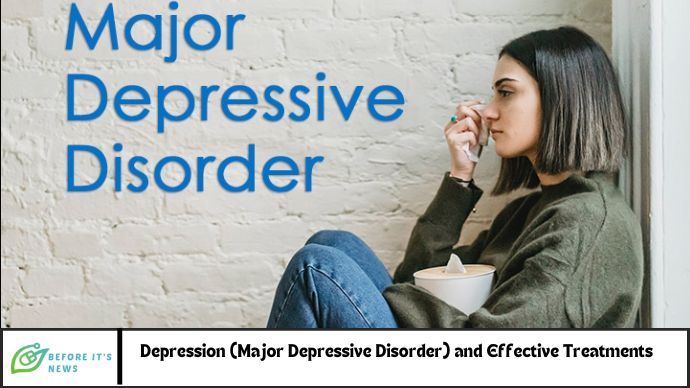
Depression (Major Depressive Disorder) and Effective Treatments Have you ever felt overwhelmed by sadness or hopelessness with no clear reason why? If so, you’re not alone. Depression, particularly Major Depressive Disorder (MDD), affects millions of people worldwide, disrupting daily life and making even the simplest tasks seem impossible. In this article, we’ll explore what depression is, the signs to look for, its causes, and most importantly, the treatments available to help individuals reclaim their well-being. If you’ve been struggling with symptoms of depression, this guide offers practical insights and solutions that can help.
What is Major Depressive Disorder?
Major Depressive Disorder (MDD), often referred to simply as depression, is a mental health condition characterized by persistent feelings of sadness, loss of interest in activities once enjoyed, and a lack of energy. It can interfere with every aspect of life, including work, relationships, and physical health. Unlike the occasional feelings of sadness we all experience, MDD lasts for weeks, months, or even years without intervention.
Signs and Symptoms of Major Depressive Disorder
Common symptoms of depression include:
- Persistent sadness or empty feelings
- Loss of interest in previously enjoyed activities
- Fatigue or lack of energy
- Changes in appetite or weight
- Sleep disturbances (insomnia or oversleeping)
- Difficulty concentrating or making decisions
- Feelings of worthlessness or guilt
- Thoughts of death or suicide
It’s essential to recognize these symptoms early, as timely intervention can significantly improve recovery outcomes.
Causes and Risk Factors of Depression
Depression doesn’t have a single cause. Instead, it is often the result of a combination of factors, such as:
- Genetics: A family history of depression can increase the likelihood of developing the disorder.
- Brain chemistry: Imbalances in neurotransmitters like serotonin and dopamine play a role in mood regulation.
- Life events: Traumatic events, such as the death of a loved one, financial stress, or divorce, can trigger depression.
- Medical conditions: Chronic illnesses, such as heart disease or diabetes, can contribute to feelings of depression.
- Social factors: Lack of social support or isolation can heighten the risk of depression.
While these factors don’t guarantee someone will develop depression, they can increase vulnerability.
Treatment Options for Major Depressive Disorder
Fortunately, depression is treatable. A combination of therapies and lifestyle changes can help individuals manage their symptoms and live fulfilling lives. Here are some of the most common treatments:
1. Medication
Antidepressants are the most common treatment for depression. They work by altering brain chemistry to help regulate mood. Some common types include:
- Selective serotonin reuptake inhibitors (SSRIs)
- Serotonin-norepinephrine reuptake inhibitors (SNRIs)
- Tricyclic antidepressants (TCAs)
- Monoamine oxidase inhibitors (MAOIs)
These medications can take several weeks to show results and may have side effects, so it’s important to work closely with a doctor to find the right one.
2. Psychotherapy
Also known as talk therapy, psychotherapy helps individuals understand their thoughts and feelings. Common types of therapy for depression include:
- Cognitive Behavioral Therapy (CBT): Focuses on identifying negative thought patterns and replacing them with more positive and realistic ones.
- Interpersonal Therapy (IPT): Addresses relationship issues that may be contributing to depression.
- Psychodynamic Therapy: Explores past unresolved issues and their effect on current behavior.
3. Lifestyle Changes
Making certain lifestyle adjustments can significantly improve mental health:
- Exercise: Regular physical activity boosts mood and reduces stress.
- Diet: Eating a balanced diet rich in nutrients supports brain function and overall health.
- Sleep: Establishing a regular sleep routine improves mental clarity and reduces depressive symptoms.
- Mindfulness and Meditation: Practices like mindfulness can reduce stress and improve emotional regulation.
4. Alternative Treatments
Some individuals find relief from alternative treatments, such as:
- Acupuncture
- Herbal supplements (e.g., St. John’s Wort)
- Light therapy (especially for seasonal affective disorder)
It’s important to consult with a healthcare provider before starting any alternative treatments.
The Road to Recovery
Overcoming depression is a journey, not a quick fix. With the right treatment, many people with Major Depressive Disorder go on to live fulfilling lives. It’s essential to reach out for help when needed and remain consistent in treatment.
Recovery often involves a combination of therapy, medication, and lifestyle changes. By understanding the signs and causes of depression and seeking appropriate treatment, individuals can take control of their mental health and begin their path toward healing.
May you also like it:
Star Tech Enterprises: Emerging Technologies in Russia’s War on Ukraine
Putin Threatens Ukraine with New Missile as Russian Barrage Hits Power…
Russia-Ukraine War: Key Events and Updates on Day 1,045
FAQs
What is Major Depressive Disorder (MDD)?
MDD is a mental health condition marked by persistent sadness, lack of interest, and difficulty functioning in daily life.
What are the most common symptoms of depression?
Symptoms include sadness, fatigue, changes in appetite, sleep issues, and feelings of worthlessness.
Can depression be cured?
While depression may not be “cured” completely, it is highly treatable through therapy, medication, and lifestyle changes.
What causes Major Depressive Disorder?
Factors include genetics, brain chemistry, life events, and underlying medical conditions.
What treatments are available for depression?
Treatments include medication, psychotherapy, lifestyle changes, and alternative therapies.
How long does it take to recover from depression?
Recovery times vary, but with consistent treatment, many individuals start seeing improvement within a few weeks.
Conclusion:
Depression is a serious, complex condition, but it’s important to know that it is treatable. Whether through medication, therapy, or lifestyle adjustments, individuals with Major Depressive Disorder can regain control of their lives. If you or someone you know is struggling with depression, don’t hesitate to seek help. Understanding the symptoms and causes of depression is the first step toward effective recovery.

