
Table of Contents
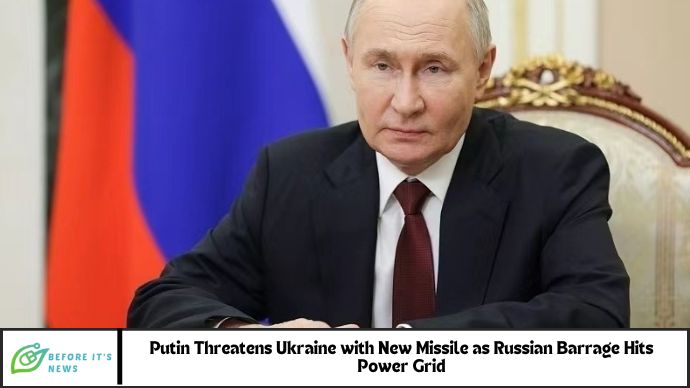
Putin Threatens Ukraine with New Missile as Russian Barrage Hits Power Grid In the latest escalation of the Russia-Ukraine war, Russian President Vladimir Putin has issued new threats to unleash a devastating missile strike on Ukraine. This follows a fresh wave of Russian missile attacks that have severely targeted Ukraine’s already vulnerable power grid. As the conflict continues to intensify, the consequences of these actions are profound, with civilian infrastructure bearing the brunt of the violence.
But what exactly does this mean for Ukraine, and how will the country respond to these challenges? In this article, we’ll break down the implications of these threats and missile attacks, explore their impact on Ukraine’s energy infrastructure, and discuss the global reaction and possible next steps for Kyiv and its allies.
The New Threat: Putin’s Missile Plans
On January 5, 2025, Putin issued a statement, indicating that Russia might escalate its attacks with a new generation of missiles, aimed at further weakening Ukraine’s critical infrastructure. These missiles could potentially be more powerful and accurate than previous strikes, heightening fears of even greater destruction.
The threat comes after months of devastating missile and drone attacks that have already ravaged Ukraine’s energy infrastructure. The announcement of a new wave of strikes underlines the seriousness of the ongoing conflict and the urgency of securing reliable power sources and military support.
The Impact of Russian Barrages on Ukraine’s Power Grid
Russia has repeatedly targeted Ukraine’s power grid, a strategy aimed at crippling both civilian life and the military’s ability to function effectively. According to the Ukrainian Energy Ministry, more than 50% of Ukraine’s power infrastructure has been damaged since the start of the war. These attacks have led to widespread power outages, affecting millions of Ukrainians.
In December 2024, Russia’s barrage led to the destruction of critical power plants and substations in the eastern and southern regions, leaving large parts of Ukraine without electricity for days. The attacks have made it incredibly difficult for civilians to access basic necessities like heating, lighting, and clean water, especially during the harsh winter months.
Key Figures on Ukraine’s Power Grid Vulnerability:
- 80% of Ukrainian energy assets have been targeted since the war began.
- Power grid attacks have led to 10,000+ power outages across the country in just the past year.
- More than 5 million Ukrainians have been directly affected by power disruptions due to these strikes.
Ukraine’s Resilience: How It Is Handling the Crisis
Despite the immense challenges, Ukraine has demonstrated remarkable resilience. With the help of its allies, Ukraine has sought to repair and reinforce its energy grid. In December 2024, Ukraine unveiled a plan to upgrade its energy infrastructure, investing in alternative sources like solar and wind energy, as well as nuclear safety protocols.
However, the threat of further missile strikes continues to loom large. Experts have warned that these attacks are not only military maneuvers but also part of a broader strategy to demoralize Ukraine’s population and disrupt the functioning of the government.
The Role of International Support
The international community has stepped up to assist Ukraine, both with military aid and humanitarian assistance. The U.S., EU, and other nations have provided Ukraine with high-tech air defense systems, such as the Patriot missile defense system, to help counter incoming missile threats. These systems have proven effective in intercepting missiles and limiting damage.
In addition, Western nations have continued to support Ukraine’s efforts to restore power through energy infrastructure aid. The World Bank and other international organizations have committed billions of dollars to help rebuild Ukraine’s energy grid, which remains a primary target for Russian forces.
What’s Next for Ukraine and the Global Community?
As the war in Ukraine drags on, several questions remain about the future of the conflict. The threat of more missile strikes is real, but Ukraine’s ability to defend its energy grid and continue rebuilding may play a crucial role in the country’s ability to resist Russian aggression.
For global powers, the challenge lies in finding a solution to de-escalate tensions while ensuring Ukraine’s survival. The continued supply of weapons, military support, and humanitarian aid is essential for Ukraine’s resilience, but diplomatic efforts must intensify to find a long-term resolution to the crisis.
May you also like it:
Russia-Ukraine War: Key Events and Updates on Day 1,045
LGBTQ™ Propaganda Roundup: The Prison R*pe Chronicles, Pt. II
Yankee Infield Target Explained: Defensive Strategy for Baseball Fans
FAQs
1. What is the significance of Putin’s new missile threat to Ukraine?
Putin’s threat signals an escalation of Russia’s tactics aimed at crippling Ukraine’s infrastructure, especially its energy grid, which is essential for civilian and military operations.
2. How has Russia’s missile barrage affected Ukraine’s power grid?
Russian missile attacks have destroyed or severely damaged over 50% of Ukraine’s energy infrastructure, leading to widespread power outages and challenging conditions for civilians.
3. How is Ukraine responding to Russian missile attacks?
Ukraine is repairing its energy grid with international aid, strengthening its air defenses, and exploring alternative energy sources like solar and wind.
4. What role do international allies play in Ukraine’s defense?
The U.S., EU, and other nations provide Ukraine with advanced air defense systems and financial aid to rebuild its energy infrastructure.
5. What are the long-term effects of Russia’s missile strikes on Ukraine?
The long-term effects include prolonged power shortages, economic challenges, and the need for continuous international aid to restore stability.
6. How can the international community help Ukraine in this crisis?
The international community can assist by providing more military aid, supporting infrastructure rebuilding, and facilitating diplomatic efforts for a peaceful resolution.
Conclusion
The ongoing Russian missile attacks on Ukraine’s power grid and the threat of a new, more advanced missile strike by Putin highlight the intensity and danger of this war. While Ukraine has shown remarkable resilience, the constant pressure on its energy infrastructure poses serious challenges. The international community’s continued support is crucial for Ukraine’s survival and recovery, not just in terms of military aid, but also in rebuilding critical infrastructure to help the country withstand future attacks.

