
Table of Contents
The container plays an important role in how a candle looks, performs, and fits into a space. From elegant home fragrances to luxury gift collections, the right vessel can turn an ordinary candle into an attractive decorative product. Exploring glass candle vessels is a useful starting point for candle makers, independent brands, and businesses looking for glass containers that combine visual appeal with practical functionality.
What Are Glass Candle Vessels?
Glass candle vessels are containers designed to hold candle wax and, when properly engineered for candle use, accommodate the wick and burning process. They come in different shapes, sizes, colors, and finishes, making them suitable for a wide range of candle styles.
Some vessels have a simple, transparent appearance that highlights the wax and fragrance colors. Others feature textured surfaces, distinctive silhouettes, or decorative details that help a candle stand out.
Hand-blown glass vessels offer a particularly distinctive look. Because the glass is shaped by hand, individual pieces may feature subtle variations that give a collection a handcrafted character.
However, appearance is only one consideration. A suitable candle vessel must also be compatible with the wax, wick, fragrance, and expected burning conditions.
Why Glass Is a Popular Choice for Candle Containers
Glass is widely used in candle design because it combines versatility with an attractive presentation.
An Elegant Appearance
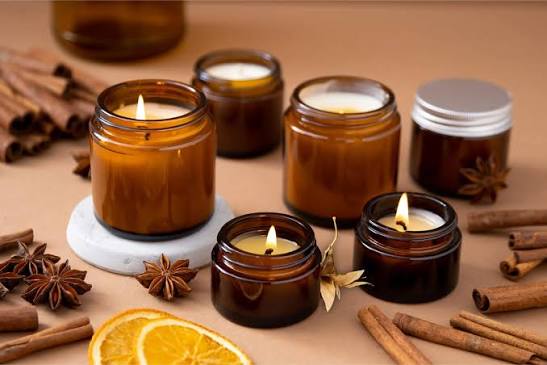
Clear glass allows customers to see the candle’s color and texture, while colored or textured glass can create a more distinctive visual effect. A thoughtfully selected vessel can complement a brand’s identity, whether the desired style is minimalist, contemporary, rustic, or luxurious.
Versatile Design Options
Glass vessels are available in a variety of shapes and finishes. Cylindrical containers offer a classic appearance, while rounded or sculptural designs can make a candle feel more decorative.
This variety helps candle brands develop collections with a consistent overall style while offering different designs for different fragrances or product lines.
Suitable for Different Product Categories
Glass containers can work well for scented candles, decorative candles, gift sets, and premium home fragrance collections, provided the specific vessel is designed and tested for its intended use.
Potential for Reuse
After a candle has been fully used and the container has been safely cleaned, some glass vessels can be repurposed as decorative storage containers or small display pieces. Reuse depends on the vessel’s design, condition, and suitability for the new purpose.
What Makes Hand-Blown Glass Candle Vessels Special?
Hand-blown glass is created by shaping molten glass using specialized tools and techniques, often involving a glassblower working with a blowpipe. This process allows artisans to create shapes and finishes that may differ from standardized mass-produced containers.
One appealing feature is the individuality of the finished product. Small differences in shape, texture, or color can contribute to a handcrafted appearance.
Hand-blown vessels can also offer opportunities for distinctive product design. A candle brand may choose a sculptural silhouette, a subtle color variation, or a textured finish to help its products stand apart from competing collections.
These characteristics can be particularly attractive for boutique candle makers, luxury gift brands, interior design businesses, and retailers seeking decorative home fragrance products.
Still, handcrafted appearance should never replace functional testing. Each vessel must be suitable for candle use, and any acceptable variations should be defined by the supplier and manufacturer.
How to Choose the Right Glass Candle Vessel
Selecting a vessel requires balancing design preferences with practical requirements.
1. Consider the Size and Capacity
The vessel should accommodate the intended amount of wax while leaving appropriate space at the top. Capacity affects the candle’s appearance, packaging dimensions, shipping weight, and overall product positioning.
Before ordering in quantity, confirm the vessel’s usable capacity rather than relying only on its external dimensions.
2. Evaluate the Shape
The shape influences how the candle looks on a shelf or table and may affect how the wax pool develops during burning.
A wide container, for example, may require a different wick configuration from a narrow container. Candle makers should test the vessel with the intended wax, fragrance load, and wick combination.
3. Choose a Suitable Color and Finish
Transparent glass provides a clean, versatile look. Colored glass can create a more dramatic appearance, while textured or decorative finishes can add visual interest.
When developing a collection, consider how the vessel will work with the wax color, label design, packaging, and fragrance branding.
4. Check the Glass Quality
Inspect the vessel for visible defects, inconsistent construction, sharp edges, or other issues that could affect quality and safe handling.
For candle use, ask the supplier about the glass composition, manufacturing specifications, and testing performed for thermal performance. Ordinary decorative glass should not automatically be assumed suitable for a burning candle.
5. Think About Packaging and Shipping
Glass containers can be heavier and more fragile than some alternative materials. Consider protective packaging, storage conditions, shipping costs, and the risk of breakage when choosing a vessel for commercial production.
Safety Considerations for Glass Candle Vessels
Safety is essential when choosing containers for candle making. Not all glass products are designed to withstand the heat and temperature changes associated with a burning candle.
Use vessels specifically intended and tested for candle applications. Follow the supplier’s instructions and conduct appropriate burn testing with the final wax, wick, fragrance, and fill level.
Testing should examine the candle throughout its intended burn life, including the behavior of the flame, the wax pool, and the vessel’s temperature. Stop using a vessel if it develops cracks, chips, or other damage.
Finished candles should also include appropriate use instructions. Consumers should burn candles on stable, heat-resistant surfaces, keep them away from flammable materials, and never leave a burning candle unattended.
Glass Candle Vessels for Candle Businesses
For businesses, vessel selection affects more than the appearance of an individual candle. It can influence manufacturing consistency, production costs, packaging requirements, and customer perception.
Independent makers may prioritize distinctive designs that help establish a recognizable brand. Larger producers may place greater emphasis on repeatable dimensions, reliable supply, and consistency between production batches.
Before choosing a supplier, request product specifications, minimum order quantities, lead times, sample availability, and details about quality control. If the vessel is hand-blown, ask which variations are normal and how consistency is managed across orders.
It is also worth considering the full product cost. A premium vessel may support a higher-end presentation, but the final decision should account for the cost of the container, wax, fragrance, labels, packaging, labor, and shipping.
How to Maintain the Appearance of Glass Candle Containers
Proper handling helps preserve the quality of glass vessels before and after candle production.
Store empty containers in clean, dry conditions and protect them from impacts. Before filling, inspect each vessel for damage and ensure it meets the manufacturer’s requirements.
For finished candles, follow the supplier’s cleaning and handling recommendations. Do not expose a glass container to sudden temperature changes, and avoid pouring cold water into hot glass.
If a candle container is intended to be reused, allow it to cool completely and remove remaining wax carefully. Reuse should only be considered when the glass is undamaged and suitable for the new purpose.
Conclusion
Glass candle vessels combine practical container functionality with opportunities for creative candle design. The right choice can complement a fragrance, strengthen a brand’s visual identity, and create a more memorable product for customers.
Hand-blown glass vessels offer an especially distinctive aesthetic through their handcrafted shapes and finishes. However, businesses and candle makers should evaluate quality, capacity, thermal suitability, packaging, and supplier reliability alongside appearance.
By selecting a vessel designed for candle use and testing it with the intended candle materials, makers can develop products that balance style, consistency, and safety.

