
Table of Contents
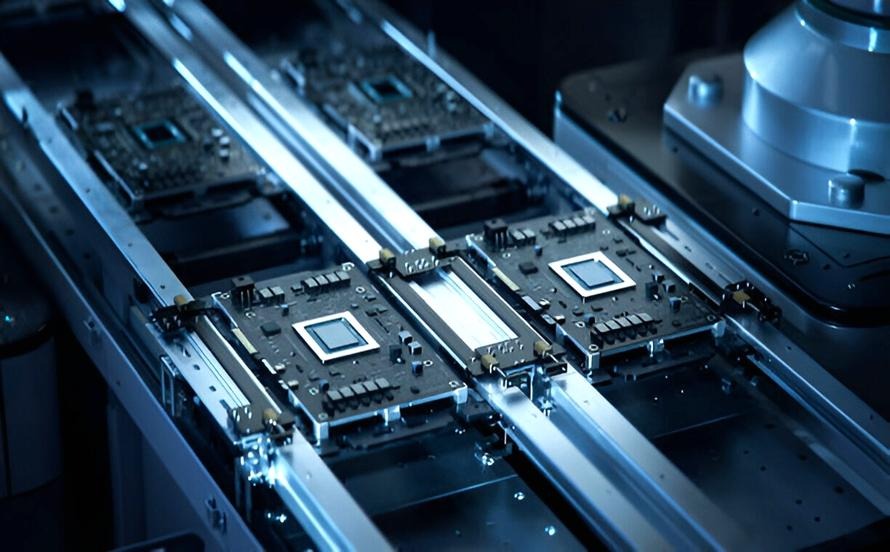
In the electronics manufacturing industry, terms such as PCB and Circuit Card Assembly (CCA) are frequently used. While these terms are closely related, they are not interchangeable. Many engineers, buyers, and product developers often encounter confusion when comparing Circuit Card Assembly vs. PCB because both are essential components of electronic devices. Understanding the distinction between the two is important for product design, manufacturing planning, procurement, and quality control.
A printed circuit board serves as the foundation for electronic circuits, while a circuit card assembly represents the completed board after electronic components have been installed and tested. Knowing the differences between these two concepts can help businesses make better decisions throughout the product development process.
This article explores Circuit Card Assembly vs. PCB, including their definitions, manufacturing processes, applications, advantages, and their roles in modern electronics production.
What Is a PCB?
A Printed Circuit Board (PCB) is a non-conductive board that mechanically supports and electrically connects electronic components through conductive pathways, commonly known as copper traces.
The PCB itself does not perform any electronic function until components are added. Instead, it acts as the structural and electrical foundation of an electronic circuit.
A PCB typically consists of several elements, including:
- Base substrate material
- Copper layers
- Solder mask
- Silkscreen markings
- Surface finish
Depending on the application, PCBs may be single-sided, double-sided, multilayer, rigid, flexible, or rigid-flex.
The PCB is often referred to as the “bare board” before components are installed.
What Is a Circuit Card Assembly?
A Circuit Card Assembly (CCA) is a fully assembled printed circuit board that contains mounted electronic components and is capable of performing its intended function.
Once components such as resistors, capacitors, integrated circuits, connectors, and sensors are installed onto the PCB, the board becomes a circuit card assembly.
A completed CCA generally includes:
- The fabricated PCB
- Mounted electronic components
- Soldered electrical connections
- Inspection and testing verification
Unlike a bare PCB, a circuit card assembly can be integrated directly into an electronic product and perform specific operational tasks.
Circuit Card Assembly vs. PCB: The Fundamental Difference
The primary distinction in Circuit Card Assembly vs. PCB lies in the stage of manufacturing.
A PCB is simply the physical board without electronic components. It contains conductive pathways that allow components to communicate electrically once installed.
A Circuit Card Assembly, on the other hand, is the completed board after components have been assembled, soldered, inspected, and tested.
In simple terms:
- PCB = Bare circuit board
- Circuit Card Assembly = Functional electronic assembly
The PCB serves as the platform, while the circuit card assembly represents the operational electronic circuit.
PCB Manufacturing Process
Understanding the PCB fabrication process helps clarify the differences in Circuit Card Assembly vs. PCB.
Design Preparation
Engineers create PCB layouts using electronic design automation software. These designs define copper traces, hole locations, layer structures, and component footprints.
Material Selection
Manufacturers select suitable substrate materials based on application requirements. Common materials include FR-4, aluminum, polyimide, and high-frequency laminates.
Imaging and Etching
Circuit patterns are transferred onto copper-clad laminates and unwanted copper is removed through chemical etching processes.
Drilling and Plating
Holes are drilled for vias and component mounting. Copper plating establishes electrical connections between layers.
Solder Mask Application
A protective solder mask is applied to prevent short circuits and protect copper traces from environmental exposure.
Surface Finishing
Surface finishes such as ENIG, HASL, OSP, or immersion silver improve solderability and corrosion resistance.
At this stage, the PCB is complete but still lacks electronic functionality.
Circuit Card Assembly Manufacturing Process
The circuit card assembly process begins after PCB fabrication is completed.
Solder Paste Application
Solder paste is deposited onto designated component pads using precision stencils.
Component Placement
Automated pick-and-place machines position electronic components onto the PCB with high accuracy.
Reflow Soldering
The assembly passes through a reflow oven where solder paste melts and forms permanent electrical connections.
Through-Hole Assembly
Components requiring additional mechanical strength may be inserted into drilled holes and soldered separately.
Inspection and Testing
Comprehensive inspection procedures ensure assembly quality.
Common methods include:
- Automated Optical Inspection (AOI)
- X-ray Inspection
- In-Circuit Testing
- Functional Testing
- Flying Probe Testing
Following successful testing, the board becomes a fully functional circuit card assembly.
Applications of PCBs
Bare PCBs are rarely used independently because they contain no active electronic functionality.
Instead, PCBs serve as the foundational platform for virtually all electronic products.
Applications include:
- Consumer electronics
- Medical devices
- Automotive systems
- Industrial automation
- Telecommunications equipment
- Aerospace electronics
Every circuit card assembly begins with a PCB.
Applications of Circuit Card Assemblies
Circuit card assemblies are the operational units that perform electronic functions within products.
Examples include:
Consumer Electronics
Smartphones, tablets, laptops, gaming systems, and wearable devices all contain multiple circuit card assemblies.
Medical Equipment
Diagnostic systems, patient monitoring devices, imaging equipment, and surgical instruments rely on CCAs for critical operations.
Automotive Electronics
Modern vehicles incorporate numerous circuit card assemblies for engine management, safety systems, infotainment, and navigation functions.
Industrial Systems
Factories and industrial facilities use CCAs in automation controllers, robotics, sensors, and monitoring equipment.
Aerospace and Defense
Mission-critical aerospace and military applications depend on highly reliable circuit card assemblies capable of operating under extreme conditions.
Advantages of Understanding Circuit Card Assembly vs. PCB
Recognizing the differences between PCBs and CCAs offers several benefits.
Improved Procurement Decisions
Purchasing teams can communicate more effectively with suppliers by understanding whether they require bare boards or fully assembled products.
Better Project Planning
Product development teams can accurately estimate fabrication, assembly, testing, and production timelines.
Cost Management
Separating PCB fabrication costs from assembly costs helps businesses evaluate manufacturing quotations more effectively.
Quality Control
Understanding manufacturing stages supports better inspection planning and quality assurance procedures.
Supplier Selection
Different suppliers may specialize in PCB fabrication, circuit card assembly, or complete turnkey manufacturing services.
Future Trends in PCB and Circuit Card Assembly Manufacturing
The electronics industry continues to evolve with advancements in manufacturing technology.
Emerging trends include:
- High-density interconnect (HDI) boards
- Flexible and rigid-flex circuits
- Miniaturized electronic components
- Automated inspection systems
- Artificial intelligence-driven manufacturing
- Smart factory technologies
As products become smaller and more complex, both PCB fabrication and circuit card assembly processes continue to advance to meet evolving industry requirements.
Manufacturers are also focusing on sustainability through environmentally friendly materials, lead-free assembly methods, and energy-efficient production systems.
Conclusion
Understanding Circuit Card Assembly vs. PCB is essential for anyone involved in electronics design, manufacturing, procurement, or product development. A PCB serves as the structural and electrical foundation of an electronic circuit, while a circuit card assembly is the completed, fully functional version that includes installed components and verified performance. Both play critical roles in the production of modern electronic devices across industries ranging from consumer electronics and medical equipment to automotive and aerospace systems. Whether sourcing bare boards or complete assemblies, partnering with an experienced PCB assembly company in China can help ensure high-quality manufacturing, reliable performance, and efficient production outcomes.

