
Table of Contents
In the world of modern hand engraving and artistic creation, as technology continues to advance, pneumatic engraving machines have become essential tools for engraving enthusiasts. Many people often feel confused when they first encounter a pneumatic engraving machine. What is a pneumatic engraver? How does it work? And how should it be used and maintained? This guide covers what a pneumatic engraving machine is, how it works, and how to use it, so you can get started with confidence.
What Is a Pneumatic Engraving Machine
How Pneumatic Engraving Machines Work
In simple terms, a pneumatic engraving machine is a carving tool powered by compressed air instead of manual force.
That means instead of pushing and carving with your hand strength alone, the machine does most of the work for you—delivering rapid, controlled impacts that help cut into materials like metal, jade, wood, or stone.
Think of it like this:
You’re still the artist, but the machine becomes your steady, tireless assistant.
How Does It Work
At first, I thought the system would be complicated. It’s actually pretty straightforward.
A typical setup includes:
- Air compressor – provides the power
- Pressure regulator & filter – keeps airflow clean and stable
- Control unit – adjusts speed and force
- Handpiece (handle) – the part you hold
- Engraving tips – different shapes for different effects
Once everything is connected, compressed air drives the internal mechanism, causing the tip to move at high frequency.
You don’t force the cut.
You guide it.
That’s a big mindset shift for beginners.
Why So Many Beginners Switch to Pneumatic Tools
I used to think hand engraving was the “pure” way to learn. And sure, it has its place. But pneumatic tools solve a lot of beginner frustrations.
- Less Hand Fatigue
After about 30 minutes of manual carving, your hand starts to feel it. With a pneumatic system, the machine handles the force—your job is control.
- More Consistent Lines
This was a game changer for me. The cuts are cleaner and more uniform, especially when you’re still developing muscle memory.
- Faster Learning Curve
Instead of struggling just to make a clean cut, you can focus on:
- angles
- depth control
- artistic flow
And that’s where real improvement happens.
Basic Techniques for Beginners
Step-by-Step: Your First Engraving Session
Here’s how I recommend starting (keep it simple):
- Set up your equipment
Connect the compressor, regulator, and engraving machine properly.
- Adjust air pressure
A good starting range is 0.4–0.6 MPa.
- Too low = weak cutting
- Too high = hard to control
- Choose the right tip
Different materials need different tips. Don’t overthink it—just start with a basic one.
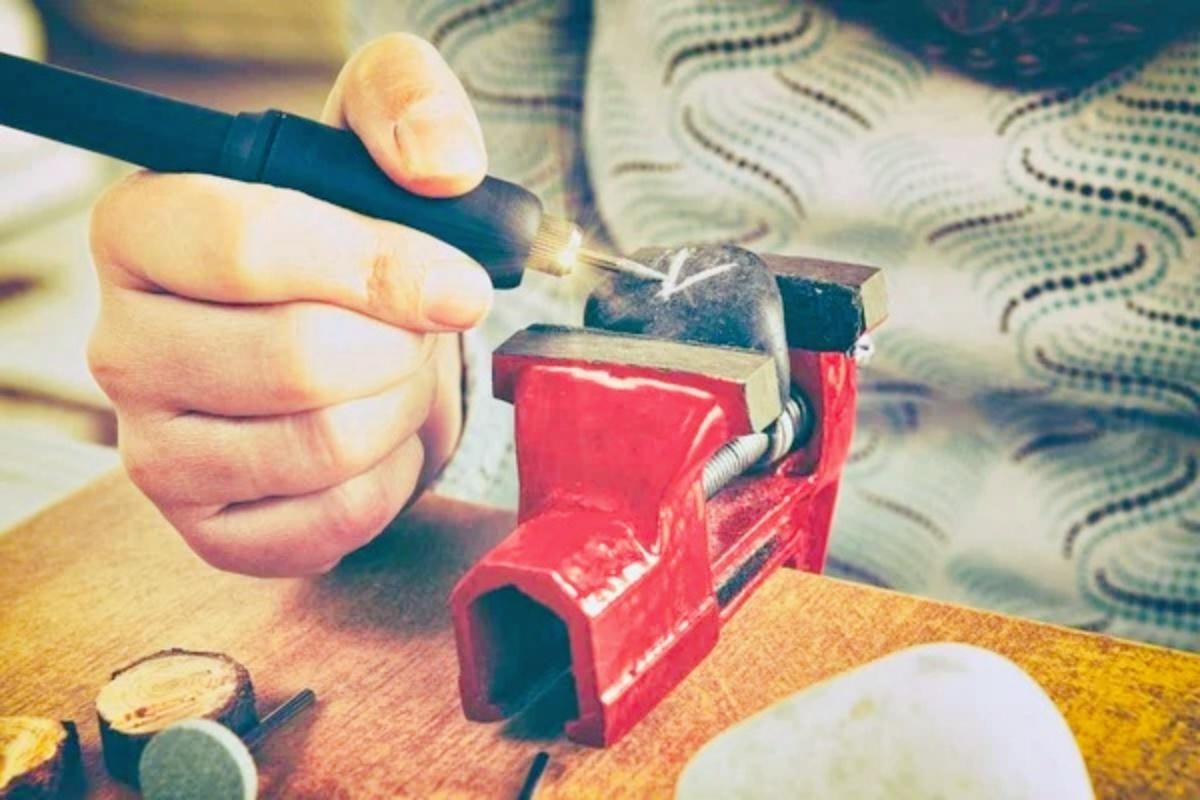
- Secure your workpiece
If it moves, your lines won’t be clean. Simple as that.
- Start slow
Don’t rush. Follow your design lines gently and let the tool do the work.
- Clean up afterward
Wipe the tip, release pressure, and keep your workspace tidy.
Safety Tips You Shouldn’t Ignore
It’s easy to get comfortable—and that’s when mistakes happen.
- First, wear safety goggles and a mask to prevent dust and other particles from entering your eyes, nose, and mouth;
- Second, never point the engraving tool at people while operating, and keep a safe distance from the cutting head to avoid cuts;
- Third, before starting, check for air leaks in the machine; only begin operation after confirming everything is in order;
- Fourth, do not apply excessive force to avoid damaging the machine.If you’re pushing hard, you’re doing it wrong.Relax your grip. Think “pen,” not “hammer”;
- Finally, when engraving, stay away from water sources and flammable or explosive materials to ensure a safe operating environment.
How to Choose the Right Pneumatic Engraving Machine
When I was shopping for my first machine, I almost overcomplicated it. You don’t need the most expensive model.
Here’s what actually matters:
- Adjustable speed and pressure
You’ll need flexibility as your skills improve.
- Comfortable handpiece
If it doesn’t feel right in your hand, you won’t enjoy using it.
- Expandability
Look for systems that support different tips and accessories.
- Reliable brand
Not just for quality—but for support if something goes wrong.
If you’re building a small engraving setup or upgrading from manual tools, investing in a stable, beginner-friendly pneumatic system can make a noticeable difference in both your workflow and results.
Final Thoughts: It’s Still Your Craft
The machine hasn’t replaced the technician, rather, it has entrusted the “consistent, steady power” to the equipment, allowing you to focus your attention on line work, composition, and fine details.
You still control:the design, the depth and the artistic expression.
The machine just gives you consistency and endurance.
And honestly? That makes the whole process a lot more enjoyable.
If you’re just starting out, don’t worry about being perfect. Focus on getting comfortable with the tool. The confidence—and the clean lines—will come with time.
And once it clicks, you’ll wonder why you didn’t start sooner.
More and more engravers are switching to these machines—and it’s not hard to see why.We hope that the above description has given you a basic understanding of pneumatic engraving machines.If you’re curious, just give it a try—you might end up enjoying it more than you expect.

